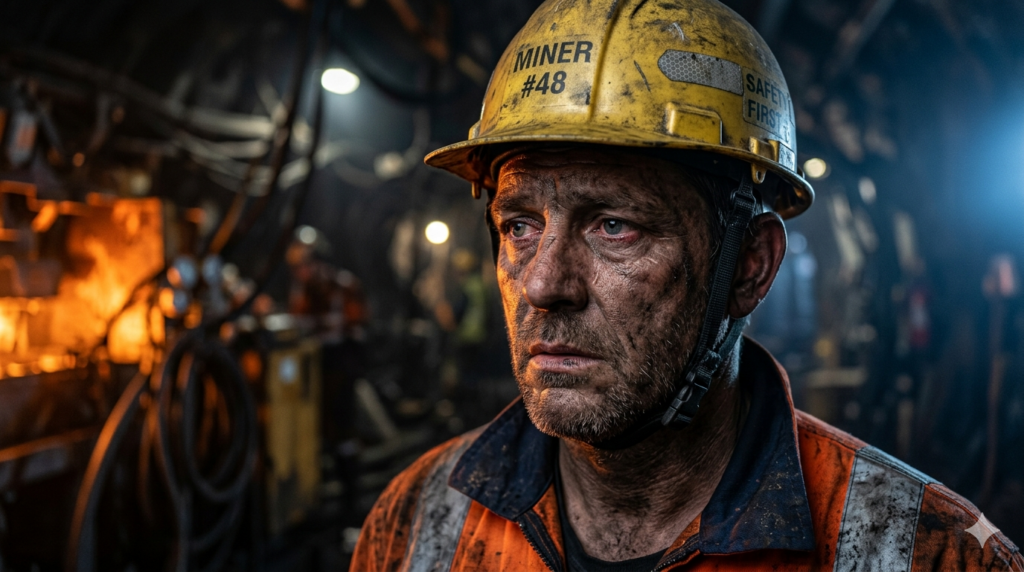
When we think of workplace hazards in South Africa’s heavy industries, our minds immediately go to the visible and the tangible: falling debris on a construction site, heavy machinery in a mine shaft, or chemical spills on a manufacturing floor. We combat these physical threats with hard hats, steel-toed boots, and high-visibility vests.
But what happens when the hazard is completely invisible?
The reality of modern Occupational Health and Safety (OHS) is that the best physical Personal Protective Equipment (PPE) in the world cannot protect a worker whose mind is paralyzed by stress, fatigue, or fear. As we look toward the future of industrial safety, the focus is shifting. Mental well-being and psychological safety are no longer just HR buzzwords—they are the next critical frontier in comprehensive OHS.
Defining “Psychological Safety” on the Site
In a corporate office, psychological safety might mean feeling comfortable pitching a new idea in a boardroom. In a mining, manufacturing, or construction context, the stakes are exponentially higher.
On a heavy-industry site, psychological safety is a workplace culture where a worker feels entirely secure enough to halt production, report a “near miss,” or admit to a procedural mistake without the fear of being ridiculed, facing retaliation, or losing their job. It is an environment where raising a red flag is rewarded, not punished. If a worker spots a frayed cable or feels dizzy from heat exhaustion, do they speak up immediately, or do they push through in silence because they are afraid of the foreman’s reaction? That hesitation is where accidents happen.
The Fatal Link Between Mind and Body
A worker’s mental state is directly tethered to their physical safety on the floor. Ignoring the cognitive load of your workforce is a guaranteed precursor to physical incidents.
Burnout and Cognitive Load
Workers operating heavy machinery or navigating dangerous environments require razor-sharp situational awareness. However, external pressures—such as severe financial stress, prolonged shift overwork, or emotional burnout—consume a massive amount of cognitive bandwidth.
• Reduced Reaction Times: A distracted or mentally exhausted worker suffers from delayed reaction times, turning a routine operation into a fatal risk.
• Routine Blindness: High stress leads to “autopilot” behavior, where workers skip crucial safety checks simply because their minds are elsewhere.
The Cost of Silence
The most dangerous hazard on any site is the one nobody knows about. When a workplace lacks psychological safety, self-preservation takes over.
• Underreported Incidents: If a worker slips but catches themselves, they are unlikely to report the “near miss” if they believe it will lead to disciplinary action or a loss of a safety bonus.
• The Inevitable Escalation: When near misses are hidden, safety managers cannot address the root cause (like a leaking pipe or a faulty safety harness). Eventually, that hidden hazard will escalate into a major, costly, and potentially tragic accident.
Bridging the Gap: How HR and OHS Can Collaborate
To address mental well-being as a true safety metric, Human Resources and OHS departments must break out of their silos and collaborate. Safety Officers must move beyond simply enforcing hard-hat compliance to actually monitoring the mental load of their teams.
• Destigmatize Mental Health: In rugged, male-dominated industries, talking about stress or mental health is often seen as a weakness. Leadership must actively dismantle this stigma by speaking openly about fatigue management and providing accessible, confidential support channels.
• Overhaul Reporting Metrics: Shift the focus from “Days Without an Accident” (which incentivizes hiding injuries) to rewarding “Hazards Identified and Corrected.”
• Integrated Safety Checks: Incorporate quick mental check-ins during morning toolbox talks. A simple “How is everyone feeling today? Is anyone running on empty?” can give a foreman the insight needed to reassign a fatigued worker away from high-risk tasks.
Partner for Total Wellness
“Total Wellness” requires a holistic approach. It demands top-tier physical protection seamlessly paired with a healthy, transparent workplace culture. You cannot have one without the other.
As the South African industrial landscape evolves, your safety procurement strategy must evolve with it. Are you ready to look beyond the hard hat?
Contact VGH Safety today. We are more than just an equipment supplier; we are your holistic safety partner committed to equipping and protecting the modern workforce—mind, body, and environment.