
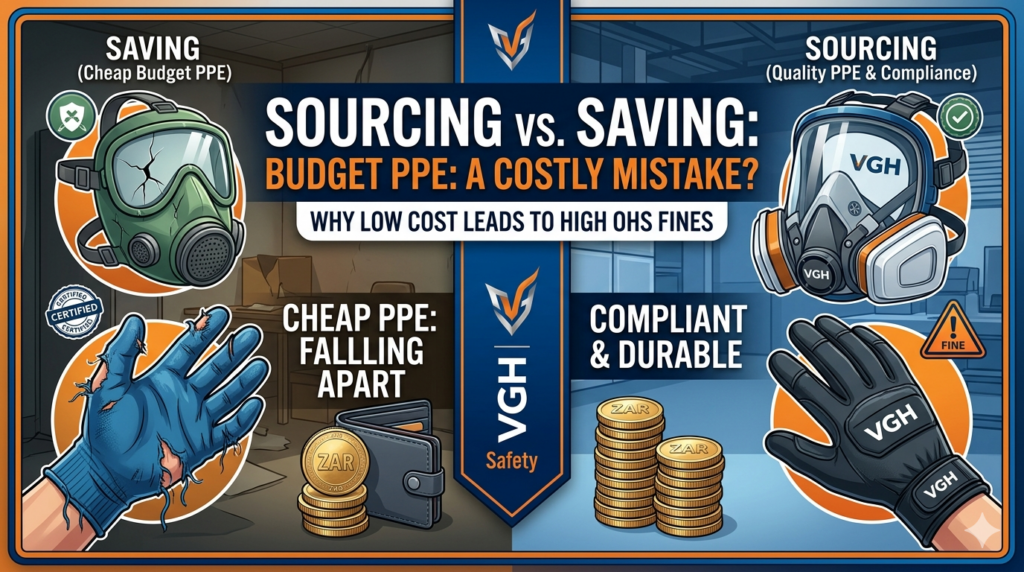
In the high-stakes environment of a South African construction site, the margin for error is razor-thin. Many site managers operate under the misconception that having a pile of equipment on-site equates to a safety system. However, safety is not merely about presence; it is about the technical integrity of the gear and the rigor of its application.
If your site is currently relying on “good enough” equipment, you are not managing risk—you are merely deferring a costly incident. Here is a practical audit guide to help you identify the common PPE failures that compromise site safety and compliance.
1. The Construction Reality Check
Construction environments in South Africa are inherently abrasive. Dust, heat, and physical impact take a toll on materials that many managers fail to account for. When you treat PPE as a disposable commodity rather than a critical piece of technical architecture, you create a “compliance gap.” This gap is where accidents happen, production stalls, and OHS auditors find the most leverage for fines.
2. The 4-Point Audit Checklist
Perform this walkthrough on your site to identify immediate vulnerabilities:
- Footwear Integrity: Inspect safety footwear for sole-degradation, tread wear, or compromised steel toe-caps. Even the best boots have a lifecycle; once the structural integrity is weakened, they cease to be a safety device and become a trip or injury hazard.
- Visibility Standards: High-visibility gear relies on the reflection of light. If your vests are faded, torn, or covered in permanent grime, they are no longer functional safety tools. On a busy site, visibility is your first line of defence against heavy machinery incidents.
- Respiratory Fit: In dusty site conditions, respirators are essential, but only if they seal properly. A common mistake is using clogged or expired filter cartridges. If the filter is saturated, the wearer is essentially breathing through a wall of dust.
- Hand Protection: Using a standard fabric glove for abrasive masonry or chemical tasks is a recipe for injury. Always verify that your glove material matches the specific hazard—ensure they are fit for the exact chemical or mechanical task at hand.
3. The Audit to Action Pipeline
Once you have identified these gaps, do not settle for a “quick fix” purchase from the nearest supplier. These findings should trigger a formal procurement review. If your current equipment is failing at this rate, it indicates a failure in your procurement protocol—you need gear designed for the specific intensity of your site, not generic stock.
4. Expert Consultation
A proactive safety strategy requires a constant feedback loop between the site floor and your procurement desk. At VGH Safety, we assist managers in closing these gaps through a site-specific safety audit that aligns your equipment inventory with the actual hazards on your site.
Is your site truly compliant, or are you just checking boxes? To move your safety standards from “paper-compliance” to genuine technical reliability, contact our team to schedule a professional assessment.